Planning permission
Depends on where you live and how much the house changes in appearance. Conservation areas, Article 4 directions, listed buildings and flats are the cases to check with your borough.
Home / Permissions
The checks that decide which walls can be insulated, and what needs arranging before work starts.
Depends on where you live and how much the house changes in appearance. Conservation areas, Article 4 directions, listed buildings and flats are the cases to check with your borough.
Insulating most of a wall usually counts as renovating a thermal element, so the result must meet Building Regulations. Ask at the survey how sign-off will be handled.
For leasehold flats, the outside walls usually belong to the freeholder, so their consent comes first.
Any wall on the boundary needs your neighbour's agreement, because the insulation would overhang their land.
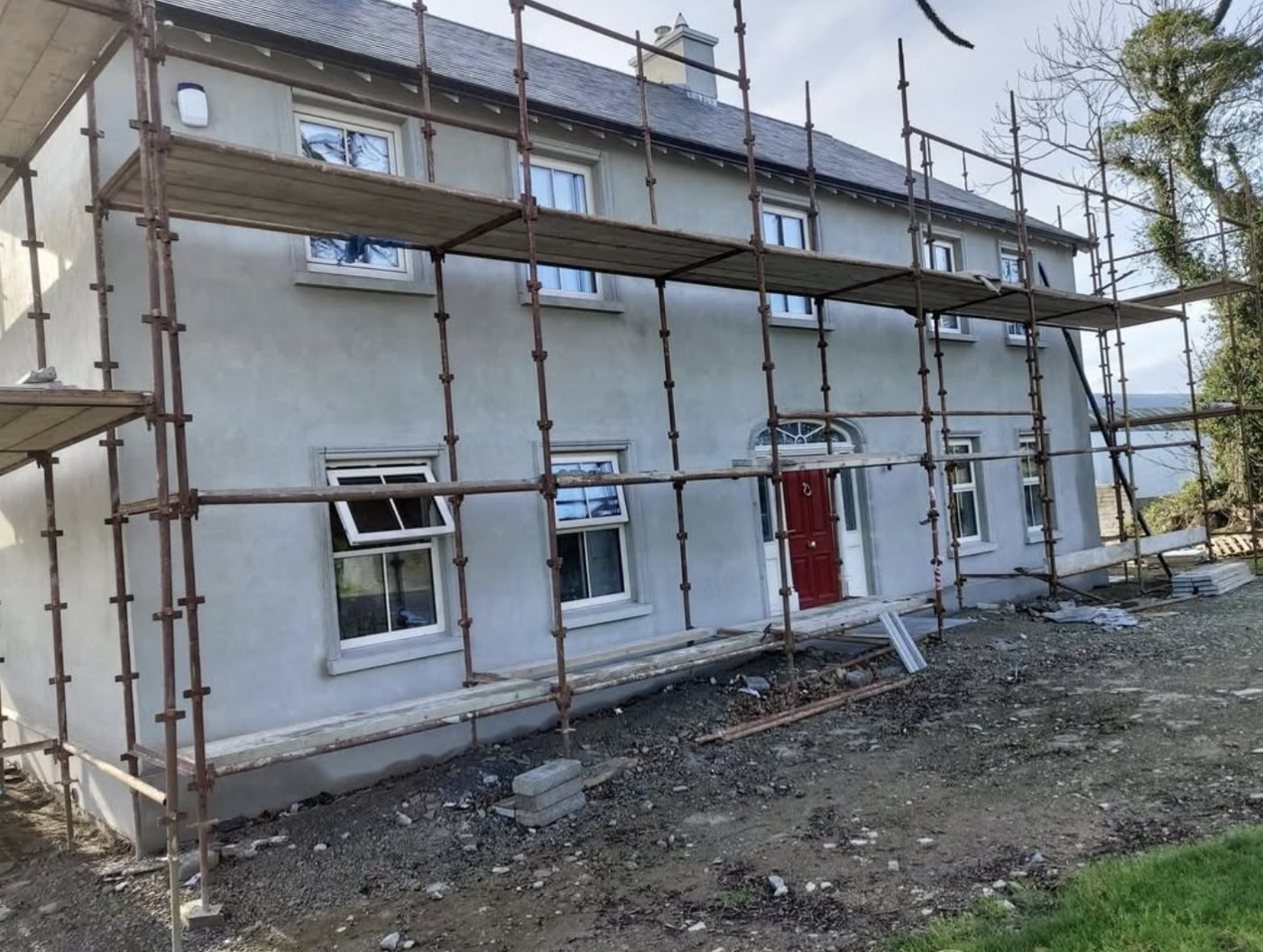
Needed for scaffold on a public pavement. Applied for by the scaffolder.
Extended only by a Gas Safe registered engineer.
Insulated houses are often more airtight. Keep trickle vents open and extractor fans working so everyday moisture can still get out.
Your borough council publishes maps of its conservation areas and Article 4 directions on its website. If in doubt, contact the planning department before you commit.
Only a Gas Safe registered engineer may alter or extend a gas appliance flue. We flag flues at the survey so the visit is booked at the right stage.
Scaffold standing on a public pavement needs a licence from the council, and the scaffolding firm applies for it. Parking bay suspensions are arranged with the borough as well. Both take notice.
Not usually for insulation alone, but it depends on what else is happening on the shared wall. Where a wall is on the boundary, you will in any case need your neighbour's agreement before anything overhangs their side.
We check all of this on one visit.
The survey covers it all, free.